Pálava Hills Routes: Wine Country Trails
Three popular loops through protected landscape with vineyards and historical sites
Two stunning trails through Prague’s protected valley. From riverside strolls to dramatic cliff-top views, we cover everything you need to know.
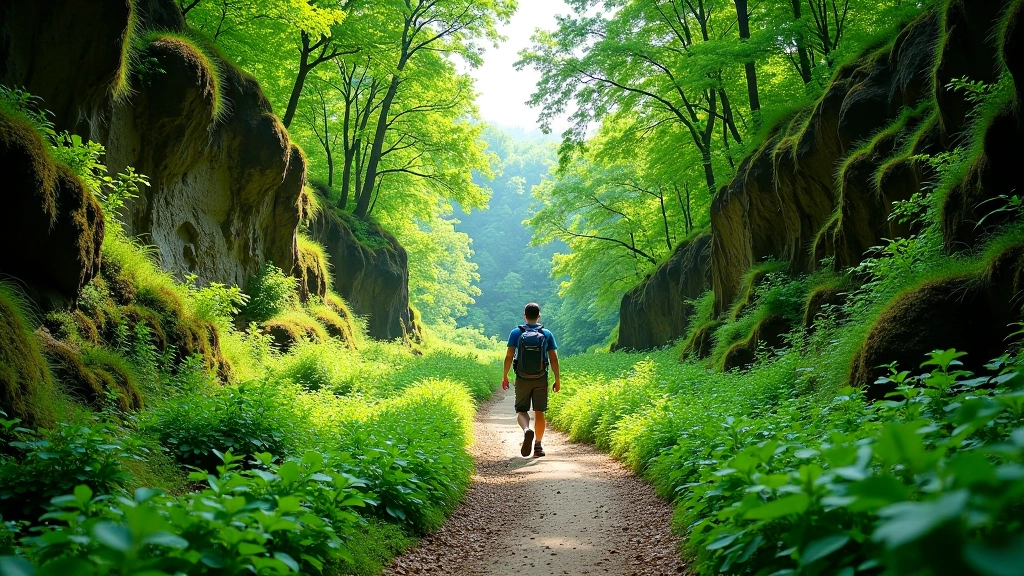

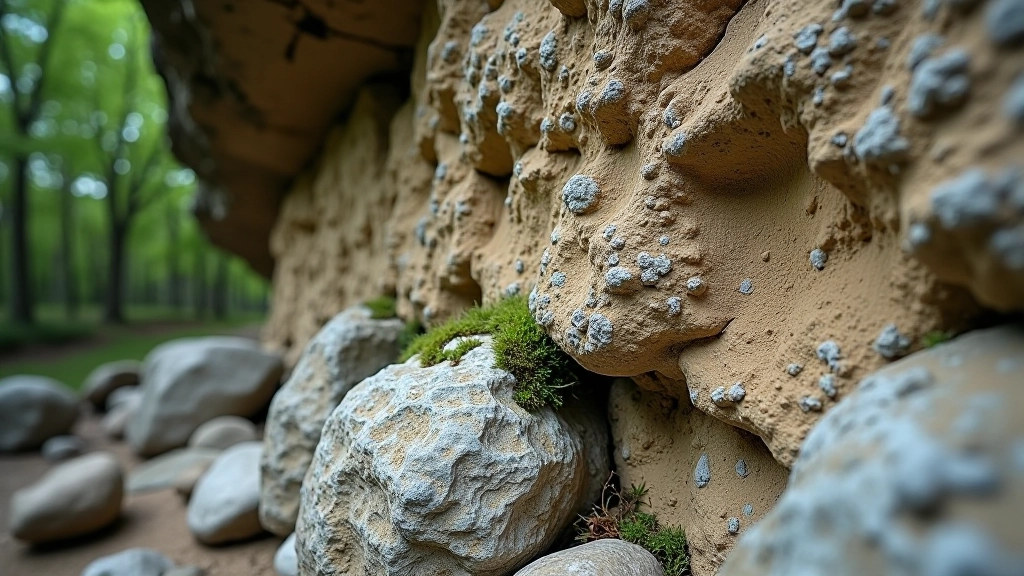
Just 20 kilometers north of Prague’s city center, Divoká Šárka Valley is one of the most dramatic natural spaces you’ll find near the capital. It’s not some quiet, manicured park — this is raw, genuine landscape. The valley cuts through the Pražské Vysočina plateau with steep sandstone cliffs rising up to 50 meters on both sides. The Bílá Voda creek runs through the bottom, carving its way past rock formations that look like they belong in a different landscape entirely.
The valley is protected as a nature reserve, which means you’re walking through something genuinely special. Two main trails offer completely different experiences — one hugs the riverside, the other climbs to the clifftop. Most visitors don’t realize you can do both in a single afternoon, creating a proper circuit that shows off everything the valley has to offer.
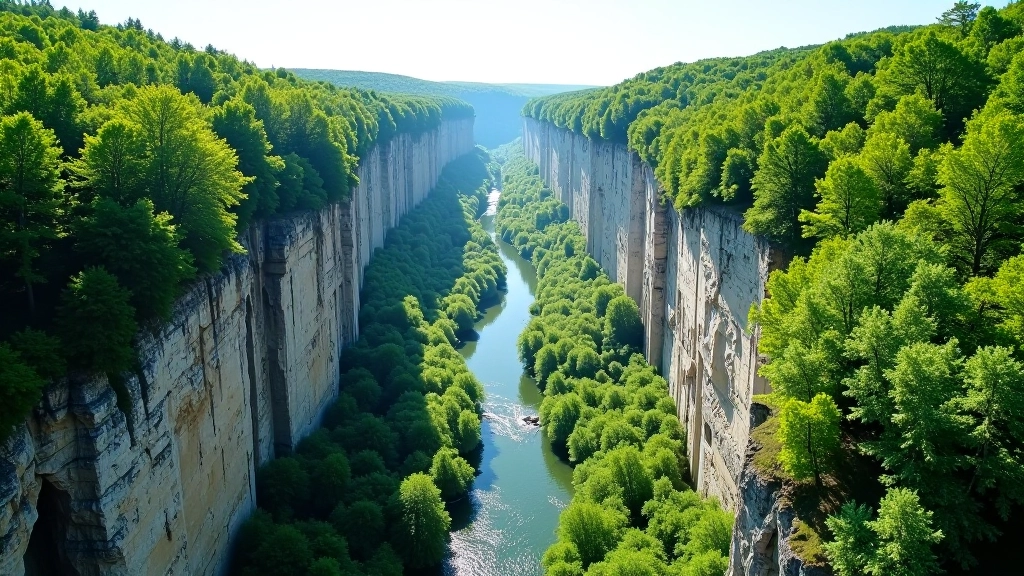
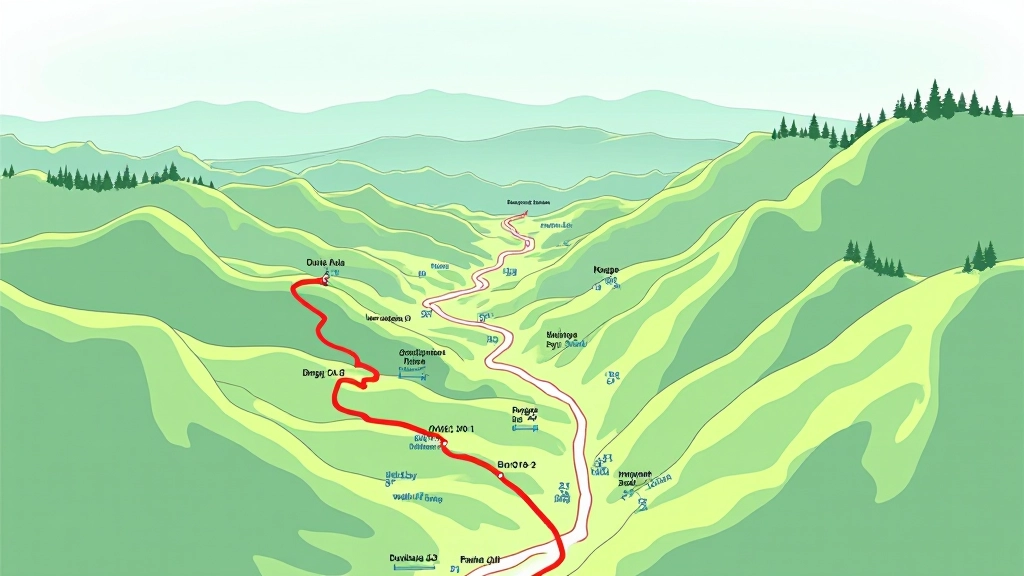
Here’s the deal: you’ve got two fundamentally different walks here, and they’re not variations on the same theme. They’re genuinely separate experiences.
This route follows the Bílá Voda creek for most of its length. You’re walking on relatively flat ground — the elevation change is maybe 80 meters total, mostly gentle. The path is well-maintained and marked with red blazes. You’ll pass several swimming holes (they’re popular in summer, genuinely cold water), cross a couple of small bridges, and get close looks at the cliff faces rising above you. Distance is about 6 kilometers if you do the main loop. Takes most people 90 minutes to 2 hours, depending on how often you stop to look around.
This one’s the serious option. You’re climbing up to the rim of the valley — that’s a 200+ meter elevation gain spread over about 3 kilometers. The views are genuinely worth it, though. You’re looking out over the valley from above, and on clear days you can see toward the Bohemian hills in the distance. It’s marked with blue blazes. The path gets narrow in spots and there are some rocky sections that need attention, especially when wet. Total loop is about 8-9 kilometers, which takes 2.5 to 3.5 hours depending on pace and stops.
Public transport works perfectly. Take the red line metro (Line C) toward Letňany and get off at Nádraží Holešovice. From there, it’s about a 15-minute walk to the valley entrance, or you can catch a local bus. If you’re driving, there’s parking near the main trail access point — the lot fills up on weekends, so an early start helps. The valley entrance is free. No permits needed, no fees.
Spring (April to May) is genuinely excellent. Everything’s green, wildflowers are happening, and the water level is high without being dangerous. Summer gets crowded — Sundays especially are packed with Prague day-trippers. Autumn (September to October) is probably the best time if you hate crowds. The light is incredible, the temperature is perfect for hiking, and you’ll actually have space to breathe on the trails. Winter is possible but slippery. The trails don’t get icy often, but when they do, they’re genuinely treacherous.
Even on the easier riverside trail, you’ll want proper hiking boots or at least good trail shoes — the ground is rocky and can be muddy. Bring water (there are no reliable water sources on the trails). The sun exposure varies depending on which route you’re doing, so sunscreen matters. If you’re doing the cliff-top trail, bring a light layer even on warm days — it gets breezy up there. A small backpack is better than pockets. Don’t overload yourself, but don’t underpack either.

Don’t just do one trail and leave. If you’ve got 4-5 hours, do the riverside route in the morning, grab lunch near the valley entrance, then tackle the cliff-top loop in the afternoon. You’ll see the valley from completely different angles. The full circuit gives you proper perspective on what makes this place special.
After heavy rain, the creek rises fast. It’s not dangerous for normal walking, but some of the riverside sections get muddy and slippery. The bridges stay passable, but the footing gets sketchy. Check recent weather before you go — a rainy week means slightly messier trails.
If you’re going on a Saturday or Sunday, get there by 9 AM. Seriously. By 11 AM the parking lot is full and the trails are crowded. Weekday mornings are genuinely quiet — you might see maybe five other people the whole time.
This is a nature reserve. Stay on marked trails — it’s not just rules, it’s genuine protection for the ecosystem. Don’t pick plants, don’t carve anything into rocks, don’t feed wildlife. The reason this place looks as good as it does is because people follow those basic rules.
Divoká Šárka isn’t famous because it’s easy. It’s known because it’s genuinely beautiful and genuinely accessible. You’re getting dramatic landscapes, real hiking challenge if you want it, and honest nature — all within 20 kilometers of a major city. The trails are well-maintained, the signage is clear, and you won’t get lost. Whether you’re doing the riverside stroll or tackling the cliff-top loop, you’re experiencing something worth experiencing.
Pack properly, respect the protection status, and give yourself enough time to actually look around. The valley rewards attention. You’ll see why this place matters to people who know it.
This guide provides educational information about hiking trails in Divoká Šárka Valley. Trail conditions, access, and regulations may change due to weather, maintenance, or conservation efforts. Always verify current conditions with local park authorities before visiting. We’re not responsible for injuries, accidents, or property damage during trail use. Hiking involves inherent risks — use appropriate equipment, maintain fitness, and make safe decisions based on your abilities and experience level. This information is general guidance, not a substitute for proper preparation and local knowledge.