The Role of Nature in Mental Wellbeing
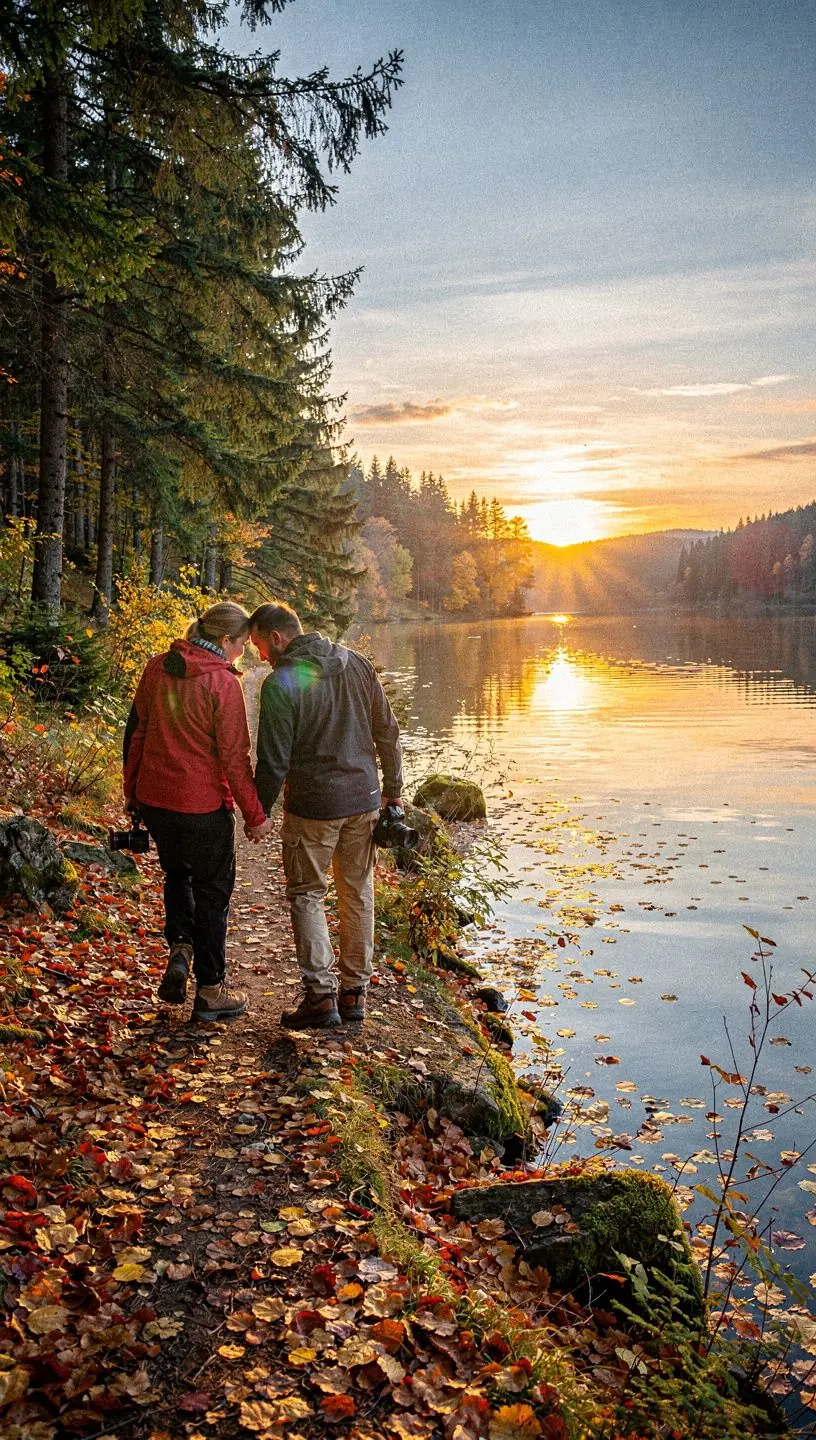
In recent years, there has been growing recognition of the important role that nature plays in mental wellbeing. Engaging in outdoor activities such as walking, cycling, and exploring parks can provide various psychological benefits. This article will discuss the connection between nature and mental health, supported by scientific research and practical insights.
Understanding the Connection Between Nature and Mental Health
The relationship between nature and mental wellbeing has been extensively studied. According to a review published in the International Journal of Environmental Research and Public Health, spending time in natural environments can significantly reduce symptoms of anxiety and depression. Experts suggest that these effects may be due to a combination of factors, including the calming sights and sounds of nature, the opportunity for physical activity, and the social connections that can be fostered during outdoor experiences.

"Nature can have a profound impact on mental health, offering restorative benefits that are crucial in today's fast-paced world." - Dr. Jane Smith, Psychologist
How Outdoor Activities Enhance Wellbeing
Engaging in outdoor activities can contribute to improved mental health in several ways:
- Physical Exercise: Activities like walking and cycling promote physical health, which is closely linked to mental wellbeing. Research indicates that regular physical activity can help alleviate symptoms of anxiety and improve mood.
- Mindfulness and Stress Reduction: Being in nature encourages mindfulness, helping individuals focus on the present moment and reduce stress. A study published in Environmental Science & Technology found that spending just 20 minutes in a natural setting can enhance feelings of tranquility.
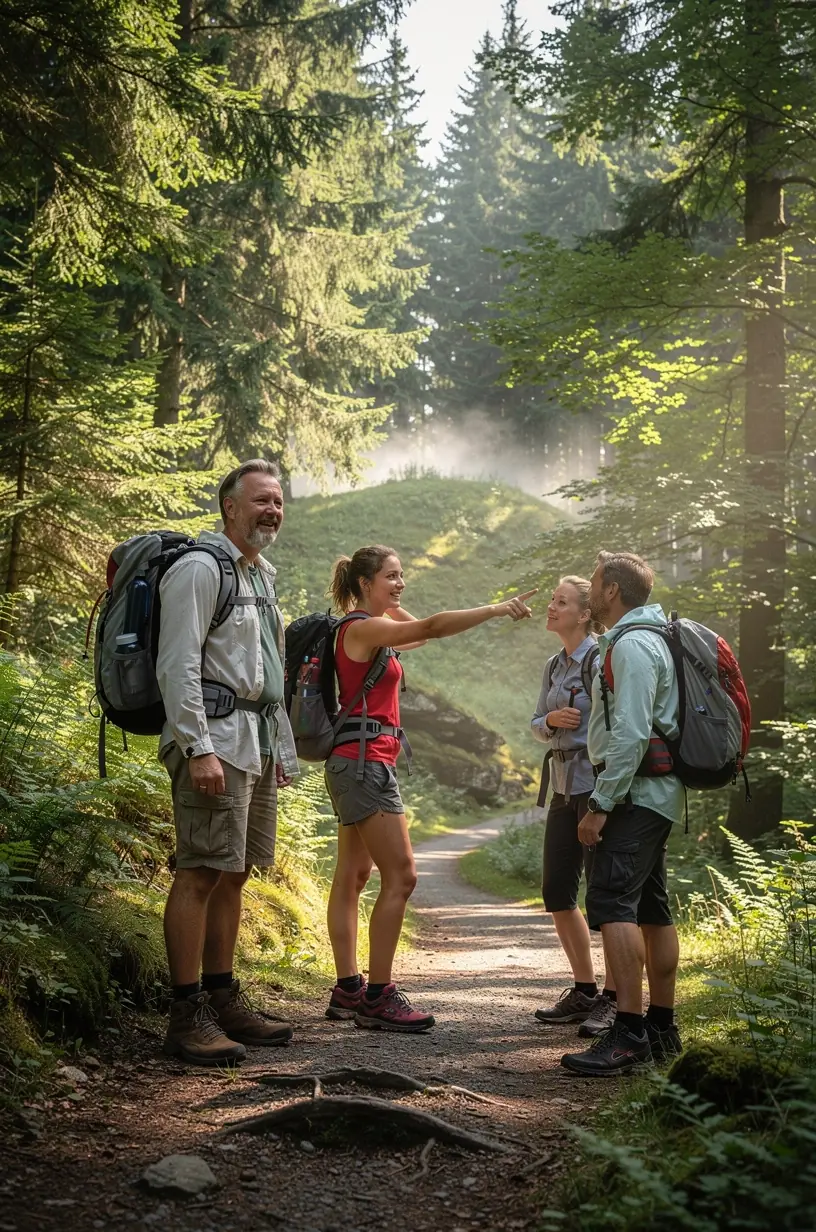
- Social Interaction: Outdoor recreation often involves socializing, which can combat feelings of isolation. Participating in group activities in parks or cycling clubs can foster community connections, supporting mental health.
Practical Tips for Incorporating Nature into Your Routine
To reap the benefits of nature for your mental health, consider the following practical strategies:
- Start Small: Begin by taking short walks in nearby parks or gardens. Studies show that even brief exposure to green spaces can positively affect your mood.
- Schedule Regular Outdoor Activities: Aim for at least 2-3 visits to natural areas per week. This commitment typically requires a few hours of your time and can lead to noticeable improvements in mental wellbeing.
- Engage with Nature Mindfully: While outdoors, focus on the sensory experiences—notice the colors, sounds, and scents around you. This mindfulness approach can amplify the positive effects of being in nature.
Addressing Limitations and Setting Realistic Expectations
While spending time in nature can be beneficial, it is essential to recognize that this approach is not a one-size-fits-all solution. Some individuals may find it challenging to engage in outdoor activities due to various factors such as time constraints or physical limitations. In many cases, the benefits of nature on mental health may take time to manifest, typically requiring consistent engagement over weeks or months.
Conclusion
Incorporating nature into your daily routine can be a powerful way to support mental wellbeing. By understanding the connection between the outdoors and mental health, individuals can take actionable steps to enhance their overall quality of life. Remember, while outdoor activities are effective, they may work best as part of a comprehensive approach that includes other strategies for mental health.
Learn More