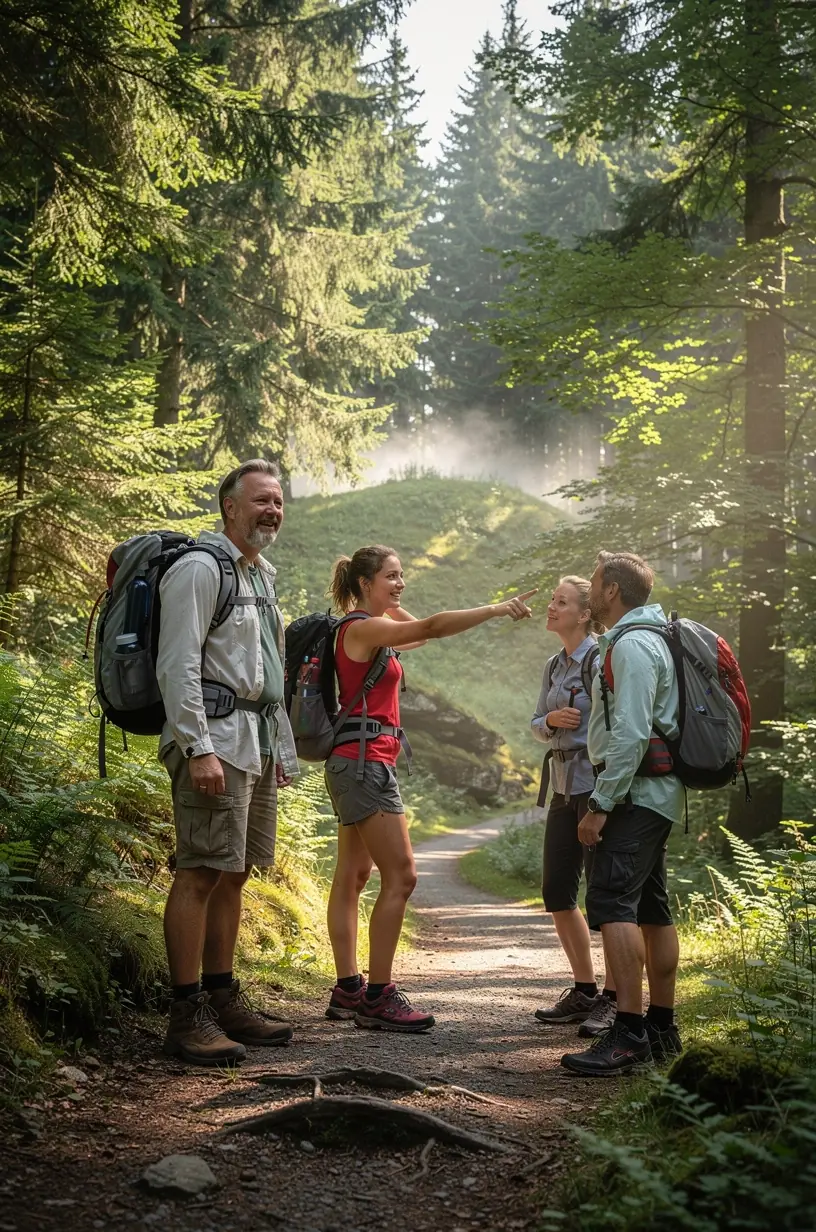
Practical Tips for Outdoor Recreation Safety
Engaging in outdoor activities such as walking, cycling, and light tourism can be invigorating and rewarding. However, ensuring safety during these ventures is crucial. This article offers practical tips to enhance outdoor recreation safety, backed by expert recommendations and research insights.
Understanding the Basics of Outdoor Safety
Outdoor safety encompasses various factors, including environmental awareness, proper equipment, and personal health considerations. Studies show that many accidents in outdoor activities can be prevented through informed decision-making and preparedness. For instance, a study by the National Park Service indicates that about 70% of outdoor injuries could be avoided with adequate planning and appropriate safety measures.
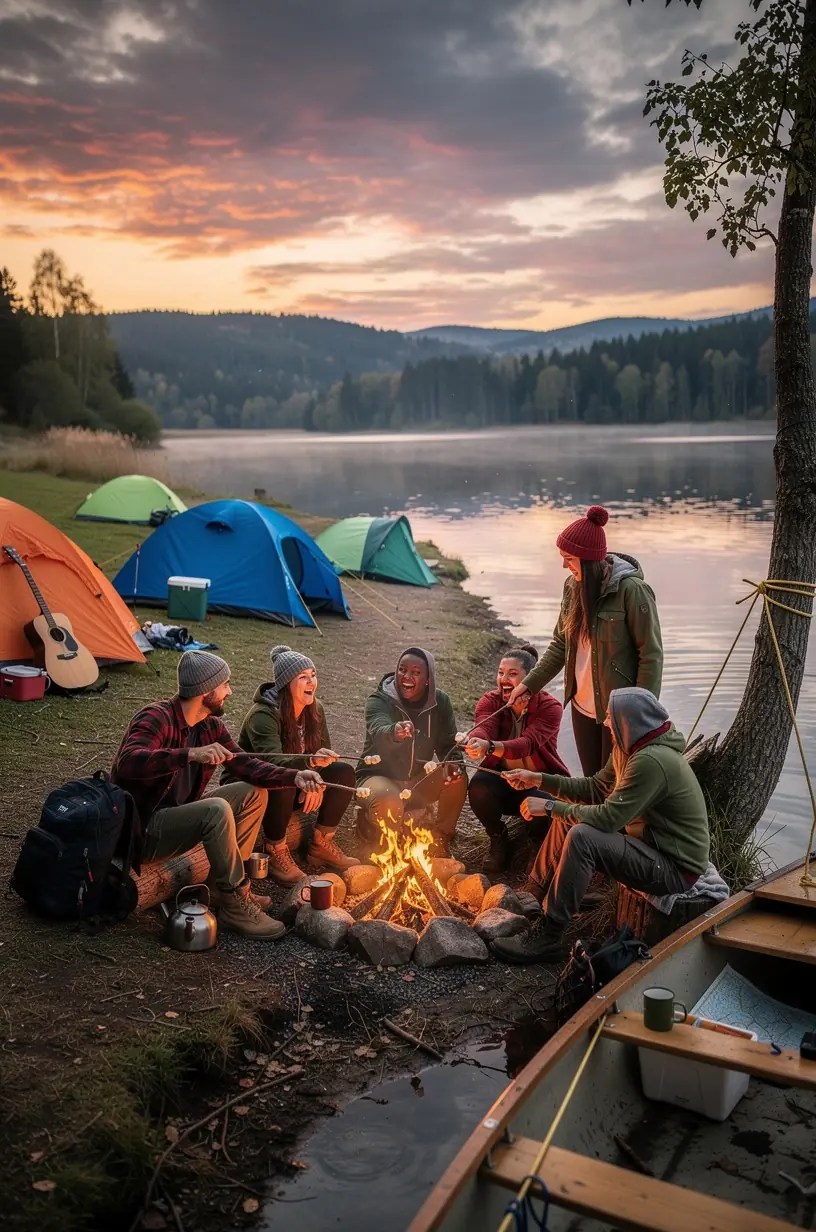
"Preparation is key; many outdoor enthusiasts report feeling more secure when equipped with knowledge and proper gear."
Essential Tips for Staying Safe Outdoors
- Plan Your Route: Before heading out, take time to research your intended route. Familiarizing yourself with the terrain and identifying potential hazards—like steep inclines or water bodies—can significantly reduce risks. Experts recommend using online resources and maps to prepare effectively.
- Check Weather Conditions: Weather can change rapidly, especially in mountainous areas. According to the Czech Hydrometeorological Institute, always check local weather forecasts before your outing. If conditions seem unfavorable, consider postponing your activity.
- Wear Appropriate Gear: Using the right equipment can enhance your safety. Research suggests that wearing sturdy footwear, especially designed for hiking or cycling, can decrease the likelihood of falls and injuries. Moreover, wearing breathable clothing suitable for the weather can help maintain comfort and prevent heat-related illnesses.
Staying Hydrated and Nourished
Maintaining proper hydration and nutrition is essential during outdoor activities. Experts recommend consuming water regularly, especially when engaging in strenuous activities. The general guideline is to drink at least 2 liters of water per day, but this can vary based on individual activity levels and environmental conditions. Additionally, carrying snacks high in energy, such as nuts or energy bars, can help sustain your energy levels.
Recognizing Your Limits
Understanding your physical capabilities is critical in outdoor recreation. Many users report feeling pressured to keep up with more experienced individuals, which can lead to accidents. Acknowledging your limits and pacing yourself can help prevent exhaustion and injuries. It's advisable to gradually increase the intensity and duration of your activities over time, allowing your body to adapt.
Concluding Thoughts
Outdoor recreation can provide numerous physical and mental health benefits, but safety should always be a priority. By incorporating these practical tips and following expert recommendations, you can enhance your outdoor experience while minimizing risks. Remember, preparation and awareness are essential components of a safe and enjoyable adventure. Happy exploring!
Learn More